-
-
CALL US NOW
+91 78600 24700

In our modern world, healthcare is growing at a rapid rate and, with it, the necessity for proper water and waste management. An important healthcare facility's environmental solution is the STP plant for hospitals. An AASewage Treatment Plant (STP) helps in effectively treating the wastewater that is generated in hospital facilities before discharge into the environment. This helps ensure compliance with the government rules, protects the public's health, and helps to ensure sustainability.
Let's look at the reasons why it is that an STP plant for hospitals is important and what it offers, and the main factors to take into consideration when establishing one.
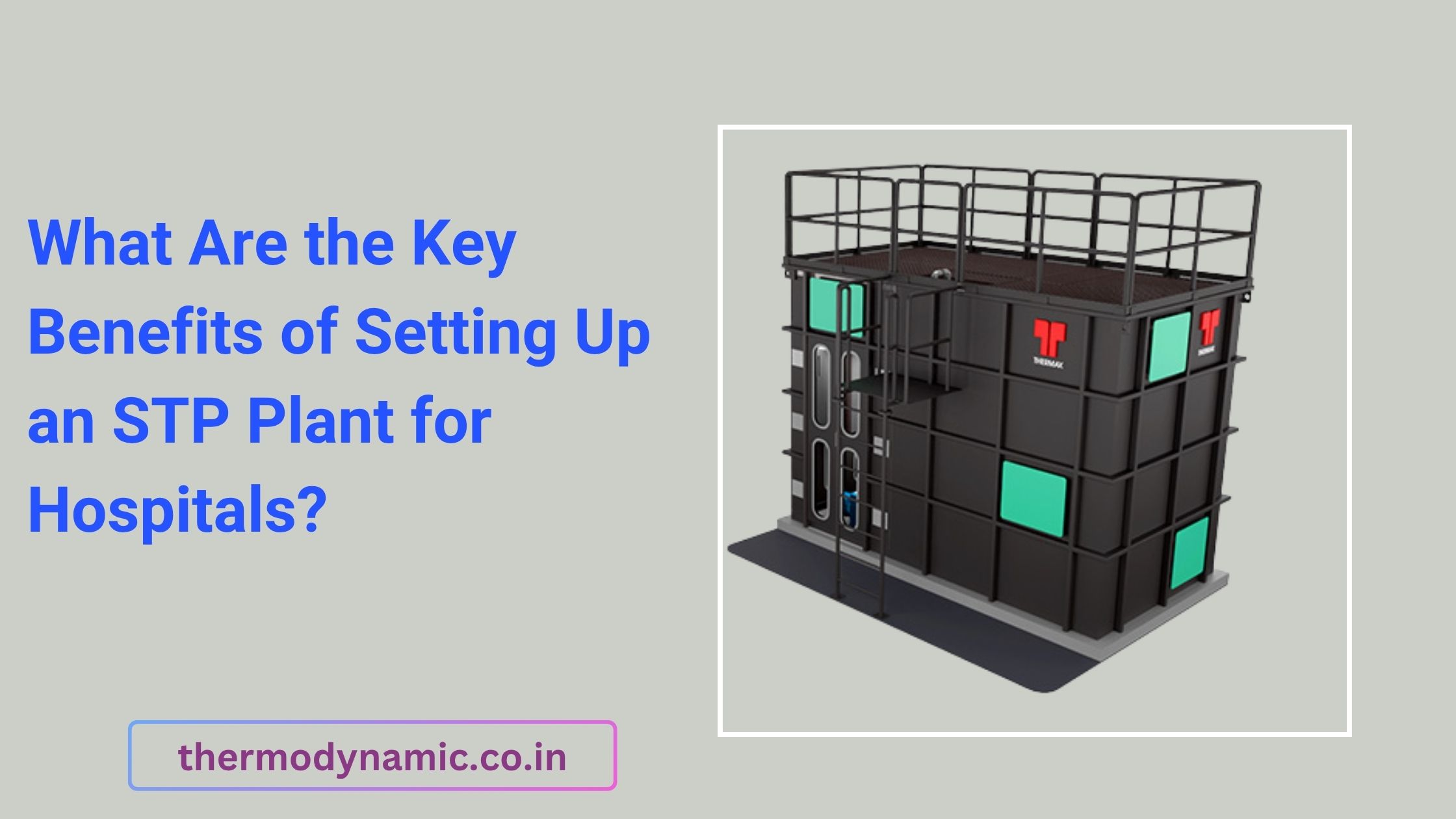
An STP plant for hospitals is a special wastewater treatment system that is designed to treat and handle the effluent and sewage produced by hospitals. The hospital wastewater is contaminated with a high amount of organic matter and harmful pathogens, and in some cases, traces of chemical and pharmaceutical residues. Thus, untreated wastewater can result in serious health and environmental issues.
The STP plant is characterized by different stages of treatment that include:
Hospitals make up one of the biggest sources of wastewater that is contaminated by biological and toxic chemicals. The installation of an STP plant for hospitals is not only an administrative requirement, but an obligation to public health and the environment. This is why it's crucial:
Each hospital has to comply with the regulations of the pollution control board. An STP assures that the wastewater is properly treated and adheres to standard requirements before it is disposed of.
Untreated hospital wastewater may contain harmful microorganisms that can cause diseases and infections. A highly efficient STP plant can eliminate pathogens, making sure the discharged water is secure.
Correct treatment helps prevent soil contamination of water bodies, thereby protecting the ecosystems of the water and minimizing environmental harm.
The treated water can be used for non-potable uses like flushing, gardening, and cooling systems, thus reducing water usage and encouraging sustainable development.
A skilled STP plant for hospitals supplier offers a broad variety of services to ensure smooth operation and long-term efficacy. This includes:
Custom-designed according to the size of the hospital and beds, and the capacity of daily water production.
Regular servicing, monitoring,g as well as preventive maintenance, to guarantee consistent performance.
Upgrading existing facilities to modern technology to increase efficiency and lower operating expenses.
Service agreements that last for a long time, allowing periodic inspections and technical assistance.
Integration of control panels, sensors, and SCADA systems to perform automated operations and monitoring in real-time.
Help in obtaining clearances needed and making sure that the site complies with the pollution control standards.
Thermodynamic Services is a reputable company that offers high-quality STP plant for hospitals. Hospital wastewater is safely and successfully treated thanks to their proficiency in the design and installation of appropriate sewage treatment systems. The STP plants for hospitals solutions offered by the firm are renowned for their dependability, low maintenance requirements, and environmentally friendly operation. Thermodynamic Services is a leading provider in the market because of their strong dedication to environmental sustainability and regulatory compliance, which enables them to customize the best STP plant for hospitals to meet the unique demands of each customer.
Get in touch with us today!
Selecting the best STP plant for hospitals involves weighing a variety of operational and technical aspects:
The design should be in line with the daily volume of wastewater produced in accordance with the capacity of the hospital.
STP systems require space to accommodate pipelines and tanks. Smaller models are available for space-constrained facilities.
Popular technologies include MBBR (Moving Bed Biofilm Reactor), SBR (Sequencing Batch Reactor), as well as MBR (Membrane Bioreactor). Each of them has its own advantages based on the characteristics of wastewater.
Select models that save energy and reduce operating costs while ensuring high efficiency in treatment.
Ensure that the STP conforms to national and local environmental laws.
Pick the manufacturer or service provider with 24/7 technical support and spare parts availability.
Installing STP Plants for Hospitals STP plant for hospitals has many benefits that go beyond the simple compliance aspect:
With the growing focus on green infrastructure for healthcare, the development of the STP plant for hospitals appears promising. The integration of monitoring systems based on IoT, efficient blowers that are energy-efficient, as well as zero-liquid discharge (ZLD) technology, is changing the way hospitals handle water and wastewater. A lot of modern hospitals are using the modular STP models that are small, quiet, and easy to use.
Environmental and environmental organizations, as well as government policies, encourage the use of these systems by offering rewards and rigorous compliance rules, making wastewater management an essential element of the hospital's design.
Q1. What is the main purpose of an STP Plant for Hospitals?
The main purpose is to treat sewage and wastewater from hospital facilities to remove contaminants, making it safe for discharge or reuse.
Q2. How much wastewater does a hospital generate daily?
It depends on the hospital’s capacity, but typically ranges from 400 to 800 liters per bed per day.
Q3. Can treated water from the STP be reused in hospitals?
Yes, treated water can be reused for non-potable applications like gardening, flushing, and cooling systems.
Q4. What is the maintenance requirement for an STP Plant for Hospitals?
Regular inspection, sludge removal, and equipment servicing are essential to ensure the plant runs efficiently.
Q5. Is installing an STP Plant mandatory for hospitals?
Yes, as per pollution control board guidelines, all hospitals must have an operational STP for treating their wastewater.
The decision to invest in an STP plant for hospitals isn't just about satisfying regulatory requirements; it's about creating a cleaner, healthier, and safer environment for staff, patients, and the entire community. With the correct design and technology, as well as maintenance support, hospitals can efficiently manage wastewater, lower operating costs, and help sustain healthcare.
A maintained STP facility is a sign of environmental responsibility and a move towards a cleaner tomorrow.
Read More: What Are the Key Benefits of Setting Up an STP Plant for Hospitals?
