-
-
CALL US NOW
+91 78600 24700

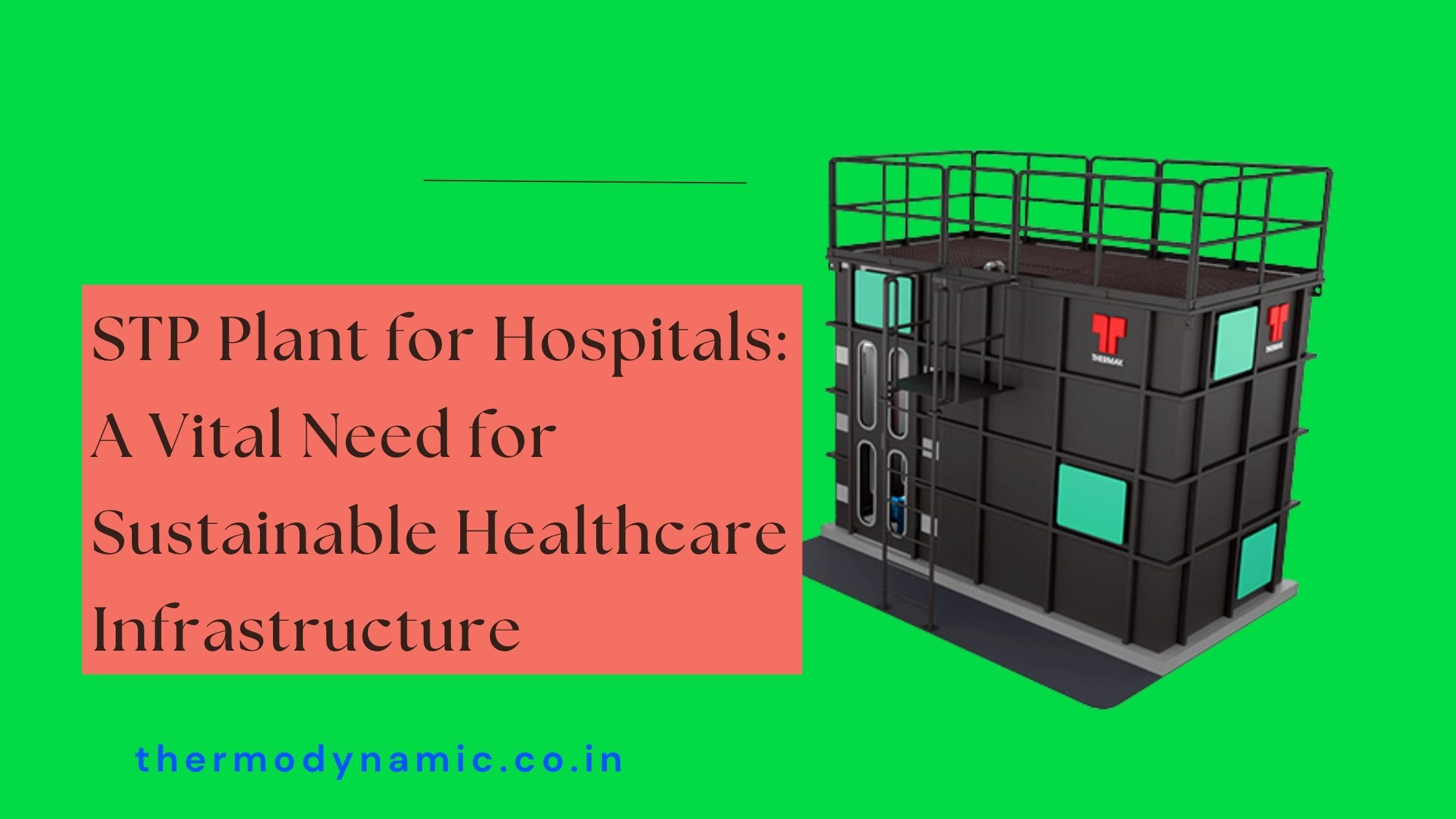
In today’s rapidly urbanizing world, sustainability is no longer a choice but a necessity, especially in sectors like healthcare that generate significant amounts of wastewater daily. Hospitals, while serving a noble purpose, also produce effluent loaded with organic waste, pathogens, pharmaceuticals, and chemicals. This makes effective wastewater treatment crucial, not just for environmental reasons, but also for public health and regulatory compliance. One of the most reliable solutions for this purpose is an STP plant for hospitals.
STP stands for Sewage Treatment Plant. It is a system designed to treat wastewater by removing contaminants, making the water safe for disposal or reuse. An STP plant for hospitals is engineered specifically to handle the unique characteristics of hospital effluent, which includes human waste, laboratory discharges, and chemical waste.
Unlike domestic sewage, hospital wastewater can pose serious environmental and health hazards if released untreated. Therefore, setting up a dedicated STP plant within the hospital premises is essential to manage this effectively.
Hospital sewage contains high loads of bacteria, viruses, and other pathogens. An STP plant designed for hospitals uses biological and sometimes tertiary treatments like UV or chlorination to neutralize these harmful microorganisms before the water is released.
Authorities like the Central Pollution Control Board (CPCB) in India have mandated that all hospitals must install an STP to treat their wastewater before discharge. Non-compliance can lead to hefty fines and even closure.
Untreated hospital sewage can contaminate local water bodies, soil, and groundwater. An STP prevents this by ensuring treated water meets environmental discharge standards.
With water scarcity becoming a growing concern, treated water from STPs can be reused for non-potable purposes such as flushing, gardening, or cooling systems. This significantly reduces the hospital's freshwater consumption.
Thermodynamic Services' solutions for STP plant for hospitals have truly been a benchmark for sustainable healthcare infrastructure. Their experience in the design and implementation of advanced sewage systems ensures hospital wastewater is treated to the highest standards for safety, efficiency, and environmental responsibility. Thermodynamic Services offers reliable, cost-effective STP systems that are tailored to meet the needs of healthcare facilities. They are a trusted partner to hospitals that want to comply with regulatory standards while also contributing to a healthier, cleaner environment.
For more info, get in touch with us today!
A typical hospital STP plant comprises several critical components:
While selecting an STP, hospitals must consider:
A well-functioning STP plant for hospitals is not just a legal obligation — it’s a commitment to public health, environmental responsibility, and resource efficiency. As the demand for healthcare services rises, so does the urgency for sustainable infrastructure. Hospitals must step up and integrate advanced sewage treatment solutions to meet both their ethical and regulatory duties. Investing in an STP plant is a forward-looking decision that ensures long-term operational efficiency and environmental compliance, contributing to a healthier community and a greener planet.
Read More: STP Plant for Hospitals: A Vital Need for Sustainable Healthcare Infrastructure
