-
-
CALL US NOW
+91 78600 24700

Kanpur is home to many of India's largest industrial units, including textile, leather, chemicals, and pharmaceuticals. The rapid industrialization of India has created a challenge in managing wastewater responsibly. The ETP plant for industrial use in Kanpur is more than a compliance requirement. It's now a strategy for businesses. Companies can improve their brand image, meet environmental regulations, and reduce operational risks by treating wastewater efficiently.
This article will explore the benefits of ETP plants and how to select the best one for your business. We'll also discuss why it is important to hire experts, as well as other factors that businesses should consider before investing.
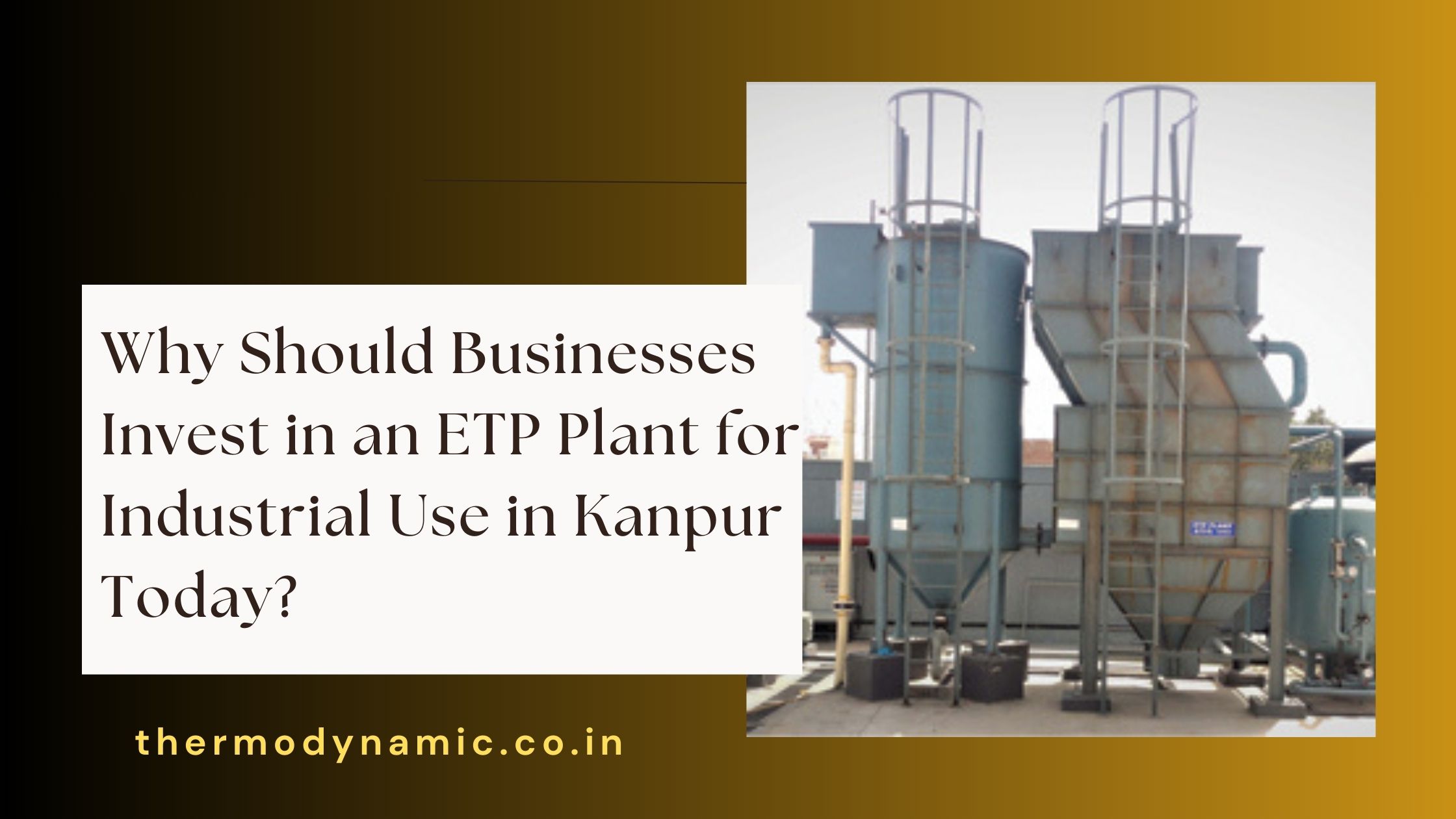
Effluent Treatment Plants (ETPs) are designed to treat industrial wastewater before it is released into the environment. Installing an ETP plant for industrial use in Kanpur, which is designed to treat large volumes of industrial effluents produced by Kanpur industries, is essential for:
These plants use physical, chemical, and biological processes to neutralize pollution, making industrial operations more environmentally friendly and safer.
You don't only get the machinery when you purchase an ETP system. You also receive a service package that addresses your wastewater management requirements. The services include:
Our experts will assess the types and quantities of effluents generated in your facility.
ETPs are customized according to the industry (textile, leather products, chemicals, food processing, etc.).
Complete setup of the entire plant, including all pipelines, tanks, and systems.
Regular monitoring and sludge control, as well as technical support.
Ensuring that your business meets CPCB standards and UPPCB standards.
Modernizing older systems with new technology to increase efficiency.
A reputable ETP plant for industrial use in Kanpur supplier will offer turnkey solutions as well as long-term support.
It is important to choose the right ETP for regulatory compliance and maximum efficiency. Consider these key factors:
Different industries generate different effluents. Textile factories deal with dyes and tannins. Chemical plants use solvents. The plant should be designed according to the product.
Capacity requirements: A plant that is undersized or oversized can result in wasted energy and costs.
Look for advanced treatment technologies like MBR (Membrane Bioreactor), MBBR (Moving Bed Biofilm Reactor), and tertiary filtration systems for higher efficiency.
The plant must meet Central and State Pollution Control Board Standards.
Instead, choose the option that offers the greatest savings in the long term.
A trustworthy ETP plant for industrial use in Kanpur will offer you continuous support, spares, and expert technicians.
Thermodynamic Services' ETP Plant for Industrial Use in Kanpur has established a solid reputation for providing top-notch solutions. Their cutting-edge technologies and creative designs guarantee effective wastewater treatment for many sectors. Thermodynamic Services assists companies in maintaining compliance and safeguarding the environment by providing dependable and sustainable systems. Many businesses choose their ETP Plant for Industrial Use in Kanpur because of its reputation for dependability, affordability, and ease of maintenance. They guarantee that every ETP Plant for Industrial Use in Kanpur operates at its peak efficiency by offering full assistance from design to operation through a team of highly qualified personnel.
Looking for a trusted ETP Plant for Industrial Use in Kanpur? Reach out to us now!
Many businesses underestimate how complex wastewater treatment can be. Hiring professionals ensures:
Professional expertise can save businesses from costly errors and improve overall efficiency.
Q1. Why is an ETP Plant for Industrial Use in Kanpur necessary for industries?
A: It ensures industries treat wastewater before discharge, protecting the environment and complying with legal norms.
Q2. What industries in Kanpur need ETP plants the most?
A: Textile, leather, and pharmaceutical industries, as well as chemical, food, and food processing industries, all of which have high pollution levels.
Q3. How much does an ETP Plant cost in Kanpur?
A: The cost depends on capacity, technology, and customization, typically ranging from a few lakhs to several crores.
Q4. Can treated water be reused?
A: Yes, treated water can be safely reused for non-potable purposes, reducing freshwater consumption.
Q5. How often should an ETP plant be maintained?
A: Regular daily checks are recommended, and professional service is recommended at least once every six months.
Kanpur's industrial growth must be accompanied by sustainable practices. It is not an option to install an ETP plant for industrial use in Kanpur. This is both a responsibility as well as an investment. An ETP plant is a long-term investment that can deliver a variety of benefits, including a reduction in environmental damage and brand enhancement.
Businesses that take action today will not only protect their operations but also help Kanpur become a cleaner and greener city. Investing in wastewater treatment is an investment in the future.
Read More: Why Should Businesses Invest in an ETP Plant for Industrial Use in Kanpur Today?
