-
-
CALL US NOW
+91 78600 24700

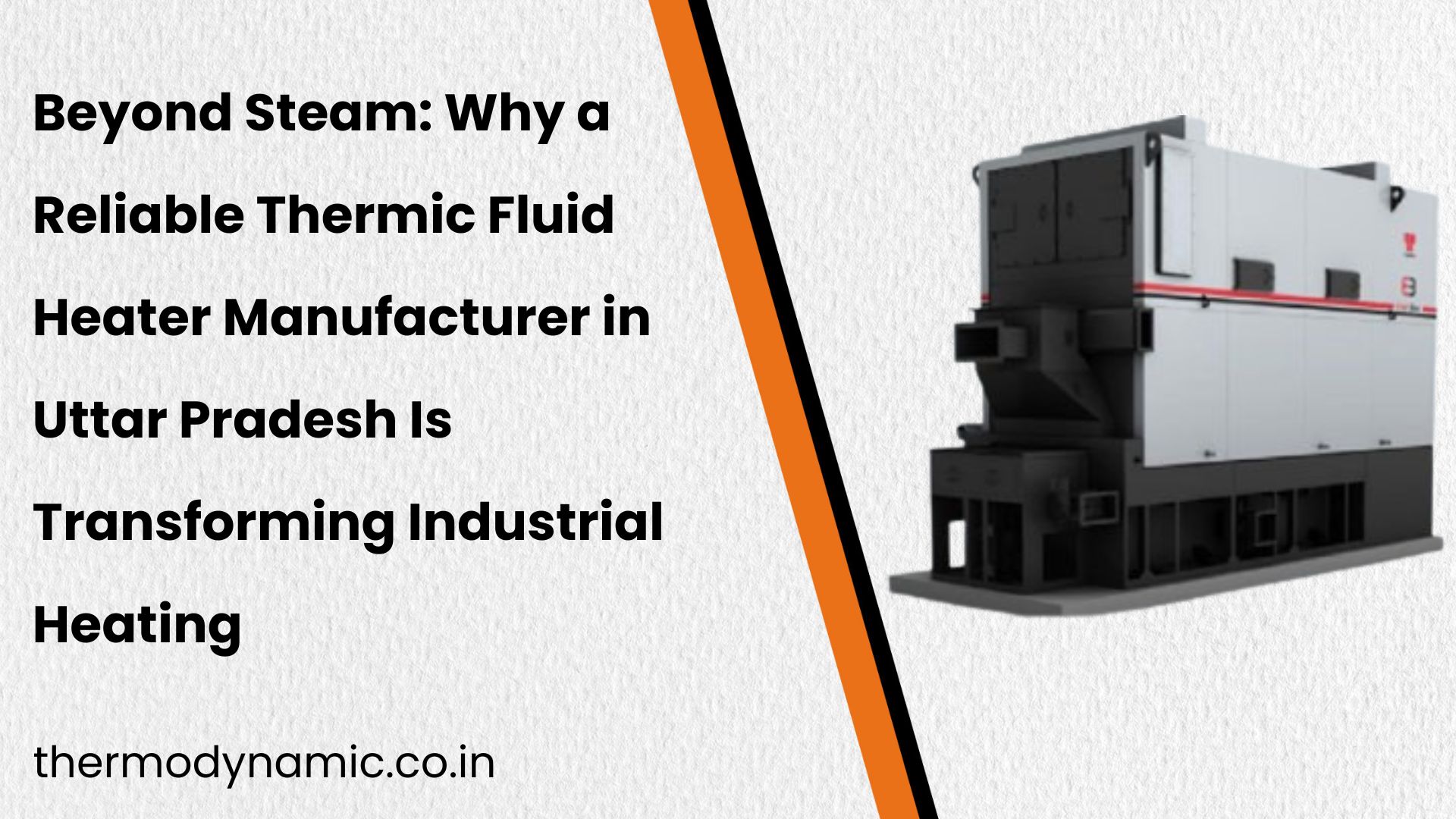
Industrial processes across textiles, chemicals, food processing, pharmaceuticals, and plywood demand consistent high-temperature heat without the complexities of high-pressure steam. A thermic fluid heater meets this need by circulating specialized thermal oil in a closed loop, delivering temperatures up to 300–350°C (and higher with synthetic fluids) at near-atmospheric pressure. This approach reduces safety risks, eliminates water treatment requirements, and improves energy efficiency compared with conventional boilers.
Uttar Pradesh, with its dense concentration of manufacturing hubs in Kanpur, Ghaziabad, Meerut, and surrounding industrial belts, has become a key region for sourcing these systems. Local manufacturers and suppliers understand regional fuel availability, process requirements, and after-sales realities, making proximity a practical advantage for installation, maintenance, and rapid support.
Fuel—oil, gas, coal, biomass, or multi-fuel combinations—burns in a combustion chamber. Heat transfers through helical or multi-pass coils to the thermic fluid flowing inside. A circulation pump moves the heated fluid to process equipment such as reactors, dryers, presses, or heat exchangers. After releasing heat, the fluid returns for reheating. The closed loop minimizes fluid loss and maintains thermal stability with proper fluid selection and system design.
Key advantages include precise temperature control, lower operating pressure, reduced corrosion and scaling, and flexibility across fuel types. Thermal efficiency often ranges from 85–92% depending on design, insulation, and heat recovery features such as air preheaters.
Textile units use these heaters for stenters, dyeing, and finishing. Chemical and pharmaceutical plants rely on them for jacketed reactors and distillation. Food processors apply them in edible oil refining, frying, and drying. Plywood and laminate manufacturers depend on stable heat for presses. Bitumen plants, rubber processors, and packaging facilities also benefit from the uniform, moisture-free heat transfer.
As industries in the state expand and upgrade for energy efficiency and regulatory compliance, the need for dependable equipment and local technical support has grown. Choosing a manufacturer or supplier with proven regional experience helps match capacity (typically from 50,000 to several million kcal/hr), orientation (vertical or horizontal), and fuel flexibility to specific site conditions.
Buyers evaluate capacity against process heat duty, maximum fluid temperature, fuel availability and cost, space constraints, and automation level. Coil-type designs offer fast response and easier maintenance in many applications, while robust construction, proper insulation, and safety interlocks (temperature, flow, and pressure cut-offs) ensure long-term reliability. Quality of thermic fluid, pump selection, expansion tank sizing, and piping layout further influence system performance and lifespan.
Local manufacturing or assembly capabilities in Uttar Pradesh often translate into shorter lead times, easier customization, and stronger service networks. After-sales support—including spare parts availability, technician response, and guidance on fluid analysis—frequently determines total cost of ownership more than initial purchase price.
Among established players serving the region, Thermodynamic Services stands out for its long-term focus on industrial heating solutions. Based in Kanpur and operating since 1990 as an authorized channel partner for leading brands, the company has built expertise in thermic fluid heaters alongside boilers and related systems. Their approach emphasizes practical engineering, quality components, and responsive service tailored to Uttar Pradesh’s diverse manufacturing needs, helping clients achieve consistent performance with reduced downtime.
Energy costs form a significant portion of operating expenses. Efficient thermic fluid systems, especially those supporting multi-fuel operation or incorporating heat recovery, can lower fuel consumption. Safety improves because high temperatures are achieved without the high pressures required by steam systems. Maintenance is generally simpler—no boiler blowdown, less scaling, and no condensate recovery issues. These factors support higher uptime and better process consistency, which matter in competitive sectors such as textiles and chemicals concentrated in the state.
Environmental considerations also play a role. Modern designs with better combustion control and options for cleaner fuels help facilities meet emission norms while maintaining productivity.
As manufacturing in Uttar Pradesh continues to grow under industrial policies and infrastructure development, demand for reliable, efficient process heating will rise. Facilities that invest in well-engineered thermic fluid systems position themselves for lower operating costs and greater operational flexibility. Selecting a manufacturer or specialist with local presence, technical depth, and service capability remains one of the most effective ways to realize these benefits.
FAQs
1. What temperature can a thermic fluid heater typically achieve?
Most industrial units deliver process heat between 150°C and 300–350°C. Synthetic fluids can extend the range higher while remaining liquid and operating at low system pressure.
2. How does a thermic fluid heater differ from a steam boiler?
It uses thermal oil in a closed liquid-phase loop instead of generating steam. This allows high temperatures at near-atmospheric pressure, eliminates water treatment and condensate systems, and often reduces operator licensing and safety complexity for many applications.
3. Which fuels can be used?
Systems are available for light or heavy oil, natural gas, LPG, coal, wood, biomass, agro-waste, and multi-fuel configurations, allowing operators to select based on local availability and cost.
4. What maintenance is required?
Routine checks include fluid condition analysis, burner and coil inspection, pump and seal monitoring, and safety device testing. Proper fluid quality and adequate flow velocity help prevent degradation and carbonization, extending system life.
5. Why source from a thermic fluid heater manufacturer in Uttar Pradesh?
Local presence supports faster delivery, site-specific customization, understanding of regional fuels and processes, and quicker after-sales response—advantages that reduce downtime and total ownership cost for industries across the state.
Thermic fluid heaters offer a proven, safer, and often more efficient alternative for high-temperature process heating. For manufacturers and process plants in Uttar Pradesh, partnering with an experienced local specialist ensures the system matches real operating conditions and receives reliable support over its service life. Careful selection based on capacity, fuel, efficiency features, and service network delivers lasting value in energy performance and process reliability.
Call to Action
If your facility requires a dependable thermic fluid heater manufacturer in Uttar Pradesh, contact Thermodynamic Services to discuss capacity requirements, fuel options, and tailored heating solutions that support efficient and consistent industrial operations.
